Cable-transmission architecture
The ultra-flexible cable supports power supply and real-time image transmission between the capsule endoscope and image processor.
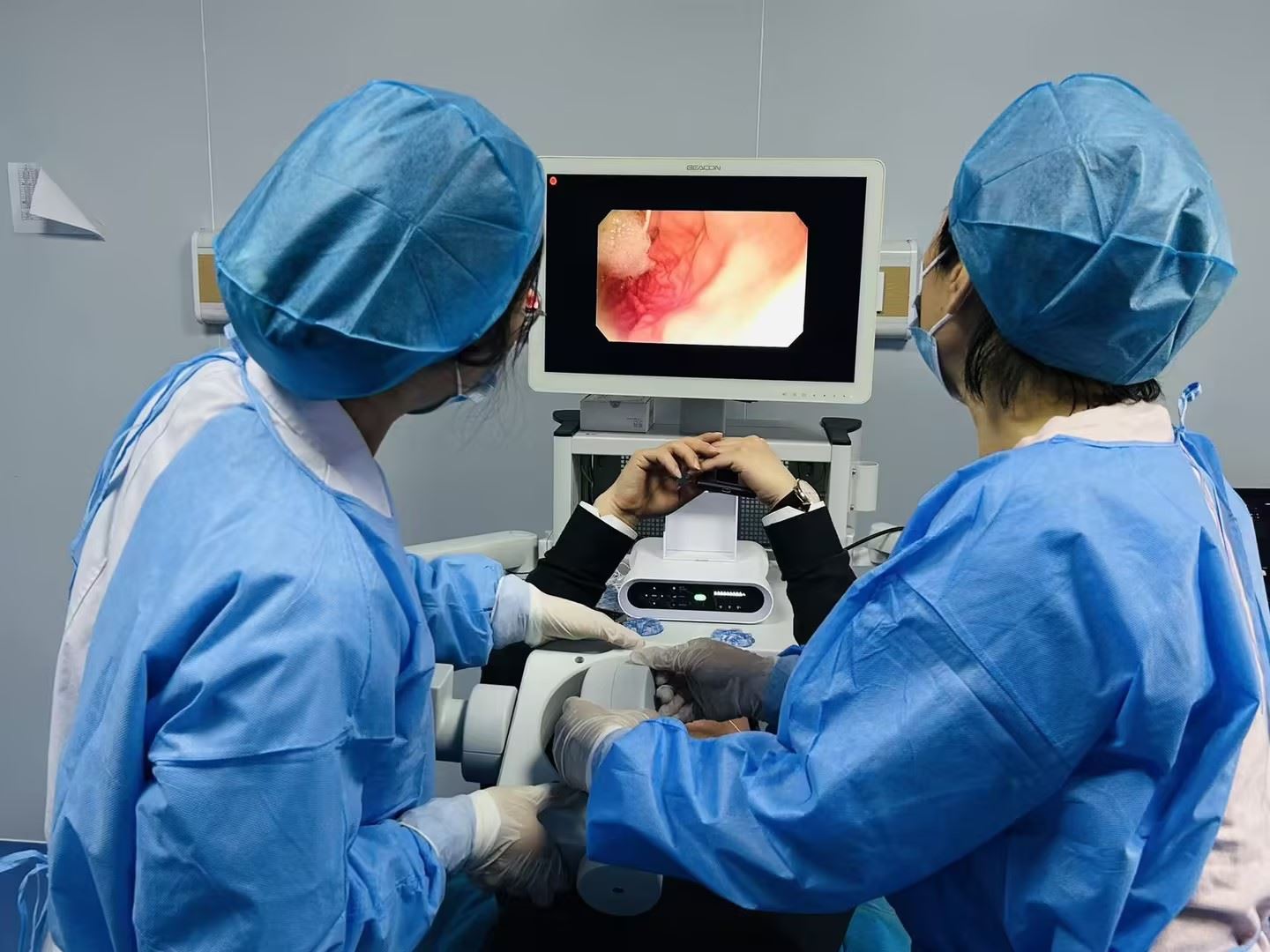
Upper GI tract examination
A cable-transmission magnetically controlled capsule endoscopy (CT-MCCE) system combining a disposable sterile capsule endoscope, image processor, and magnetic control device for examination of the esophagus, stomach, and duodenal bulb. Market-specific intended-use wording requires regulatory review.
AICAM is presented as a cable-transmission magnetically controlled capsule endoscopy system. Its combined magnetic and cable control architecture is designed to support visualization across the esophagus, stomach, and duodenal bulb.
Product positioning and intended-use statements remain subject to product and market-specific regulatory review.
Published product information describes the CT-MCCE system as comprising a disposable sterile capsule endoscope, an image processor, and a magnetic control device. AICAM model naming and current commercial configuration require product-owner confirmation.
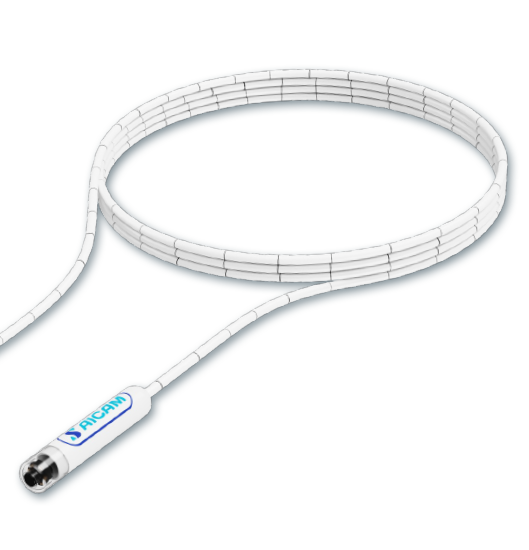
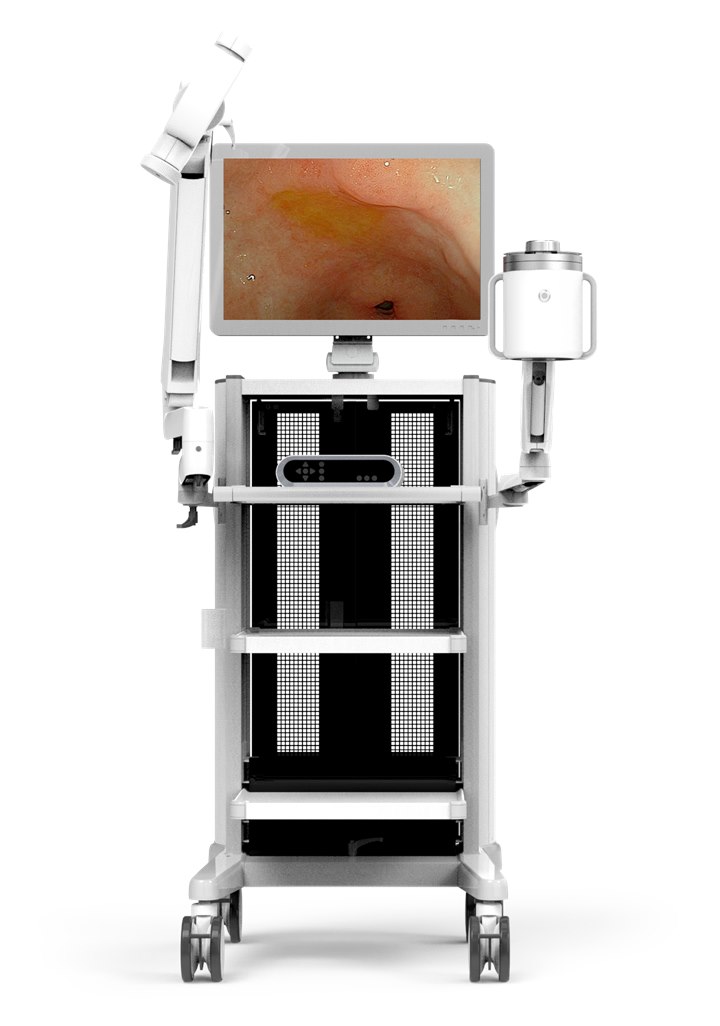
Product imagery is suitable for prototype review. Asset ownership and public-use approval remain pending.
Terminology below follows the published CT-MCCE clinical article and the supporting device description. Specifications require confirmation against the current commercial model.
The ultra-flexible cable supports power supply and real-time image transmission between the capsule endoscope and image processor.
External magnetic force and cable retraction or release support control of capsule position and orientation.
The clinical-study system used 1280 × 720 imaging at 30 frames per second with adjustable LED illumination.
The published study evaluated examination and focal lesion detection in the esophagus, stomach, and duodenal bulb.
Complete the site-approved preparation protocol and pre-examination assessment.
The patient swallows the disposable sterile capsule endoscope after preparation.
The physician uses the magnetic control device and cable control device to guide capsule position and orientation.
Images are transmitted to the image processor in real time for display and review.
After examination, the capsule is retrieved through the mouth via the cable, and the physician prepares the examination report.
A prospective, multicenter, self-controlled clinical trial compared CT-MCCE with conventional gastroscopy for upper GI tract examination and focal lesion detection. The study enrolled 180 adults at three hospitals in China.
The authors reported that CT-MCCE completed upper GI tract examinations with diagnostic performance comparable to EGD in the study setting, with a lower incidence of discomfort and no observed adverse events.
Tian Y, Du S, Liu H, et al. Gastrointest Endosc. 2025;101(4):804-817. doi:10.1016/j.gie.2024.07.028. Results should be interpreted within the enrolled population, study protocol, and stated limitations.
Scenario wording should be narrowed after intended use and market claims are reviewed.
Upper GI tract examination workflow messaging remains subject to intended-use and market review.
Screening workflow and claims require market-specific and regulatory confirmation.
Partner positioning, training support, and regional availability details are pending business confirmation.
Current materials include China registration information and a 2024 draft U.S. Breakthrough Devices Designation request. The request is a terminology source only and does not establish FDA designation, clearance, approval, or U.S. availability.
Product availability and regulatory status vary by market. Please contact Shanxing Medical for market-specific information. Final disclaimer requires regulatory review.
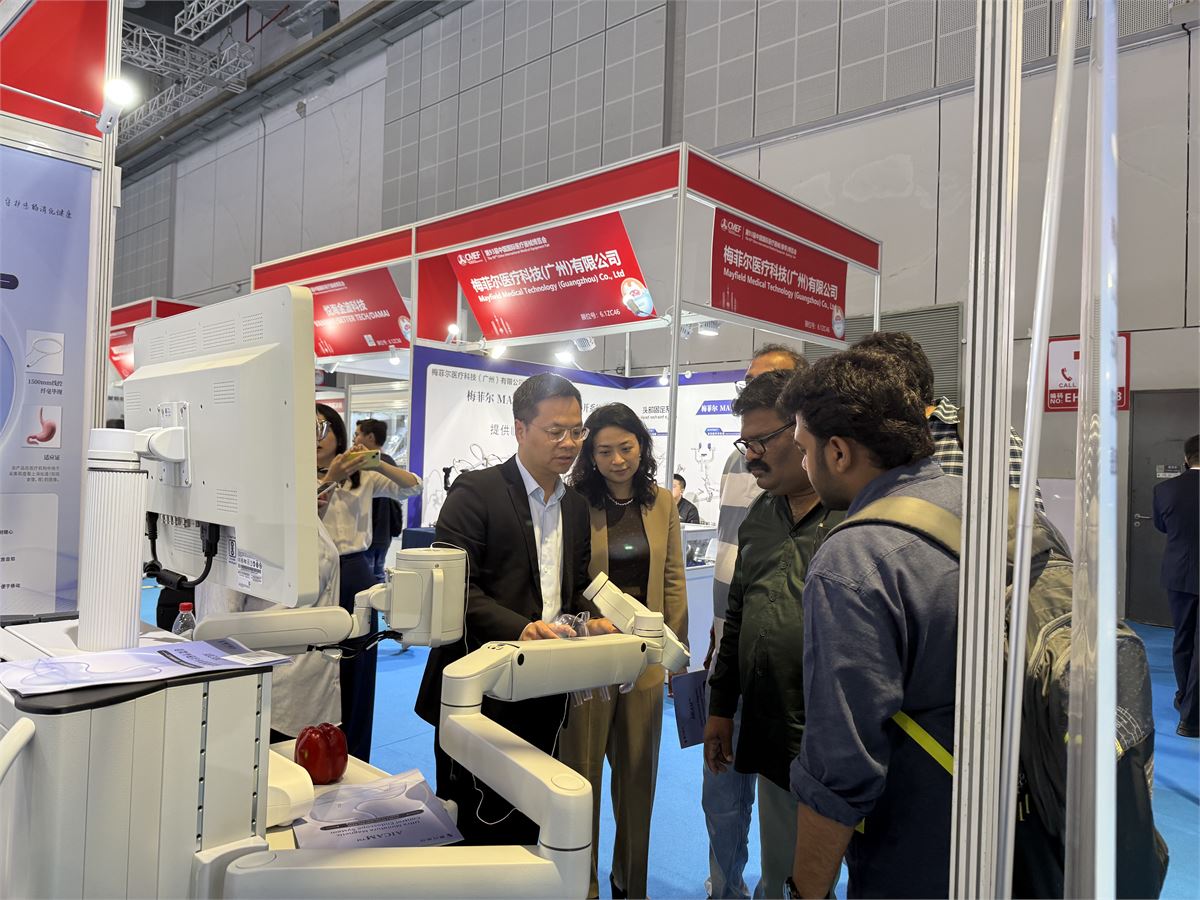
Founded in 2018 in Zhongguancun, Beijing, Shanxing Medical develops medical-device solutions for upper GI tract examination and screening workflows. Institutional, award, and project references require source review before publication.
Use this static form layout for prototype review. Submission handling, overseas inbox, CRM routing, consent wording, and auto-reply emails are pending confirmation.